
"Santo Domingo coffee"
600 article(s) found

Santo Domingo, Dominican Republic Coffee Processing Method Production Area Grinding Scale Introduction
Dominican coffee is grown in upland and lowlands and tastes slightly different. Highland plants are sour, but rich in taste; lowland plants are less sour and smoother in taste. In recent years, specialty coffee has become popular. Some Dominican estates produce high-quality coffee beans with rich aroma and rich taste, with a moderately bright acidity. They have been compared with the more famous Puerto Rico beans or teeth.

Santo Domingo Coffee Flavor Description Variety Growing History
Dominica's mild climate is conducive to coffee cultivation, and the best production areas for coffee are the Barahona region in the southwest and the Cibao Valley in the interior north of Santiago, Dominica's second largest city. The northern region, represented by Ciba, and the southern region, including Ocayabani Santo Domingo, produce fine coffee. Among them, Santo.
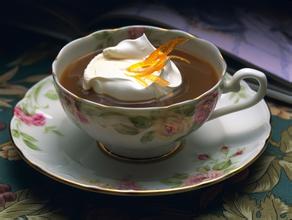
Fresh and elegant, full of particles Dominica: Santo Domingo coffee
Flavor and taste characteristics: fresh and elegant, full particles, excellent acidity, pleasant aroma. Dominican Republic is located in the West Indies in the eastern part of the island of Haiti, west of the Republic of Haiti, north of the Atlantic Ocean, south of the Caribbean Sea. With an area of about 49000 square kilometers and a population of 7.1 million, the Dominican Republic coexists with the Republic of Haiti on an island adjacent to Haiti. Like its neighbors.

Dominica Santo Domingo Coffee with mellow taste introduction to boutique coffee
Coffee in Dominica is grown in highlands and lowlands, and its taste is slightly different. The upland is sour, but the taste is rich; the lowland is less sour and tastes smoother. Boutique coffee has become popular in recent years. High-quality coffee beans produced by some Dominican estates have a rich aroma, mellow taste and moderately bright sour taste, and have been bought with the more famous Puerto Rico beans or teeth.
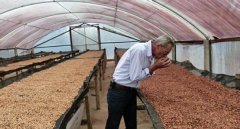
A brief introduction to the flavor, taste and aroma characteristics of Santo Domingo boutique coffee beans with intertwined aftertaste
The selection of Dominican coffee is usually done manually. The main basis for selection is according to the fullness of coffee particles, whether it is uniform, and then grade it. Generally speaking, coffee with full and uniform grains is easier to preserve. Only the fullest and most evenly grained coffee beans can be roasted to represent the best and finest coffee in the country. Unlike coffee produced in Haiti, Domi
Dominica: an introduction to the flavor and taste of Santo Domingo coffee
Unlike coffee produced in Haiti, most of the coffee grown in the Dominican Republic has been washed, which is a symbol of high quality. Dominican coffee uses a washing method to treat coffee beans, so that the quality of treated coffee beans is more guaranteed. The coffee beans treated by washing method retain more original flavor than the drying method, and the aroma is pure and soft. To select or produce carefully in this way.
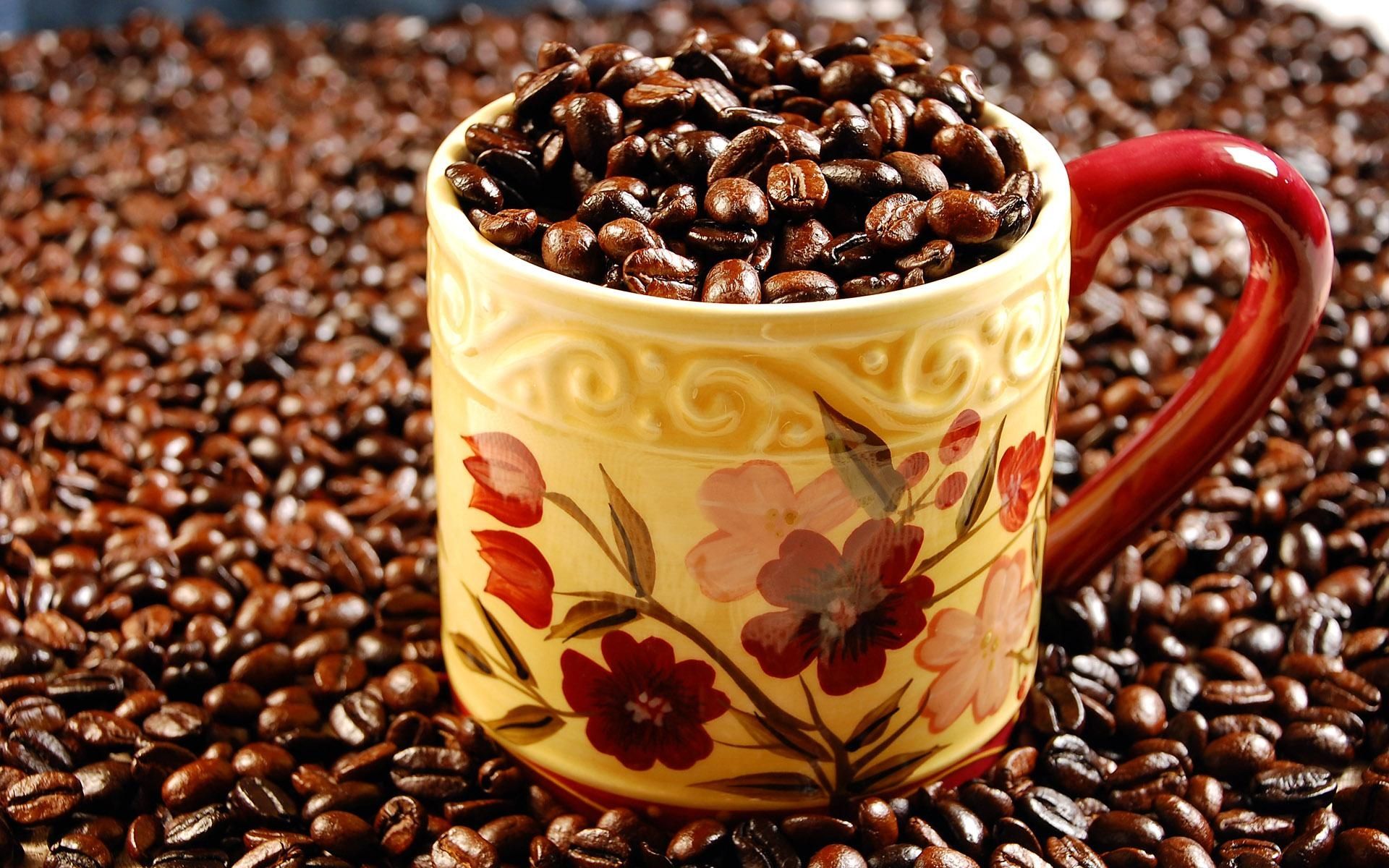
Introduction to coffee from Santo Domingo
Follow the caf é (Wechat official account vdailycom) and found that the coffee in Dominica is grown in highlands and lowlands, and the taste is slightly different. The upland is sour, but the taste is rich; the lowland is less sour and tastes smoother. In recent years, boutique coffee is popular, and the high-quality coffee beans produced by some Dominican estates have a rich aroma.

Flavor description of Santo Domingo Coffee with rich flavor introduction to the planting environment of varieties in producing areas
Coffee in Dominica is grown in highlands and lowlands, and its taste is slightly different. The upland is sour, but the taste is rich; the lowland is less sour and tastes smoother. Boutique coffee has become popular in recent years. High-quality coffee beans produced by some Dominican estates have a rich aroma, mellow taste and moderately bright sour taste, and have been bought with the more famous Puerto Rico beans or teeth.
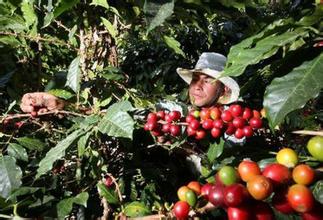
Introduction of flavor and taste characteristics of Asian coffee beans Santo Domingo coffee beans in Dominica
Flavor and taste characteristics: fresh and elegant, full particles, excellent acidity, pleasant aroma. The Dominican Republic is located in the east of the island of Haiti in the West Indies, bordering the Republic of Haiti to the west, the Atlantic Ocean to the north and the Caribbean Sea to the south. With an area of about 49000 square kilometers and a population of 7.1 million, the Dominican Republic and the Republic of Haiti coexist on an island bordering Haiti. Like its neighbors.

Flavor description of Dominican coffee with mellow taste introduction to the characteristics of the taste of grinding degree
In 1677, about 4,000 French lived in 11 villages in the west of the island. In 1697, France and Spain ceded the western part of the island to France according to the Leswick Treaty of the Alliance War, formally recognizing French sovereignty over Haiti in the western part of the Spanish island, and the eastern part of the Spanish island was called East Santo Domingo. France continues to develop its agricultural economy on the island of Hispaniola.

A brief introduction to the taste and aroma of Dominica boutique coffee Santo Domingo coffee producing area
In 1982, agricultural output accounted for 17.8 percent of the GDP, and arable land accounted for 25.4 percent of the total land area. Agricultural production is dominated by cash crops such as sugar cane, coffee, cocoa and tobacco. Among them, the planting area and output value of sugarcane accounted for 1% of the cultivated land area and 30% of the total agricultural output value, respectively. 9.629 million tons of sugarcane were produced in 1981, mainly distributed in the Siwao lowlands and Siwao lowlands.

Boutique Santo Domingo Coffee Bean Manor Flavor and Taste introduction of Coffee Bean Origin and varieties
Coffee in Dominica is grown in highlands and lowlands, and its taste is slightly different. The upland is sour, but the taste is rich; the lowland is less sour and tastes smoother. Boutique coffee has become popular in recent years. High-quality coffee beans produced by some Dominican estates have a rich aroma, mellow taste and moderately bright sour taste, and have been bought with the more famous Puerto Rico beans or teeth.

Smooth taste Dominica Santo Domingo Coffee Flavor description Variety characteristics introduction of Grinding degree
Miniga is located on the island of Hispaniola in Central America, just above Martinique Island. Dominica occupies 2/3 of the right half of Hispaniola, while the other 1/3 to the west is the territory of Haiti. It is rich in natural resources, rich in coffee, cocoa, oranges, bananas and flowers. Coffee ranks in the country's gross domestic agricultural output in recent years.
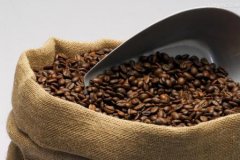
A brief introduction to the treatment method of grinding degree and baking degree of pure and gentle Santo Domingo boutique coffee beans
Carefully selected in this way, the high-quality Dominican coffee exudes a faint aroma and gives people a faint fruity aroma with a lingering finish and a smooth and smooth finish. To trace the origin of Tibica, we should first talk about the coffee trees originally planted in Martinique. These trees were planted by Dominicans as far back as the early 18th century, so Dominica began at that time.

Dominica Santo Domingo Coffee Flavor description Grinding characteristics introduction to the taste of varieties in producing areas
Located in the Jarabacoa region near Siwao, it has the largest farm in Dominica, Ramirez Manor (RamirezEstates), which mainly grows Kaddura varieties, and most of the coffee produced is sold to Europe, the United States and other western countries and regions. Ramirez Manor itself produces coffee in an environmentally friendly way. Coffee from Dominica is made with A.

Description of Dominica Coffee Flavor with mellow taste A brief introduction to the characteristics of the varieties of Grinding degree
In 1677, about 4,000 French lived in 11 villages in the west of the island. In 1697, France and Spain ceded the western part of the island to France according to the Leswick Treaty of the Alliance War, formally recognizing French sovereignty over Haiti in the western part of the Spanish island, and the eastern part of the Spanish island was called East Santo Domingo. France continues to develop its agricultural economy on the island of Hispaniola.

Introduction to Santo Domingo Coffee from Dominica Coffee with excellent acidity
Coffee in Dominica is grown in highlands and lowlands, and its taste is slightly different. The upland is sour, but the taste is rich; the lowland is less sour and tastes smoother. Boutique coffee has become popular in recent years. High-quality coffee beans produced by some Dominican estates have a rich aroma, mellow taste and moderately bright sour taste, and have been bought with the more famous Puerto Rico beans or teeth.

Introduction of Dominican Coffee Manor with a faint fragrance
In the early 18th century, coffee was introduced to Domiga from Martinique, and fine coffee was produced in the north represented by Hibao and in the south, including Okayabani Santo Domingo. Among them, the coffee produced by Santo Domingo and Barney, which is almost synonymous with domiga coffee, is a world-famous high-quality coffee. Santo Domingo coffee, which is characterized by freshness and elegance,

Introduction to the description of Manor Flavor by the treatment method of the Grinding degree of Dominican Coffee
L'Or é al arrived in Santo Domingo in 1801. He abolished slavery on behalf of the French government. In 1802, Napoleon sent troops to conquer the whole island and ruled for several months. In October 1802, mixed-race and black people revolted against French rule and repelled the French army in 1803. On January 1, 1804, the rebels declared Santo Domingo independent and established the Republic of Haiti. But be defeated.

Dominica Santo Domingo Coffee Flavor and Taste introduction to boutique coffee in manor area
Thousands of Tylenos were demoted to slavery and engaged in gold mining. Due to a series of oppression, hunger and disease, by 1535, the Tino had only 60,000 left. In 1501, King Ferdinand I and Isabella of Spain were the first to allow Caribbean colonists to introduce slaves from Africa. They began to arrive on the island in 1503. [3] in the early days of the Spanish island, the Spaniards were in the new.